
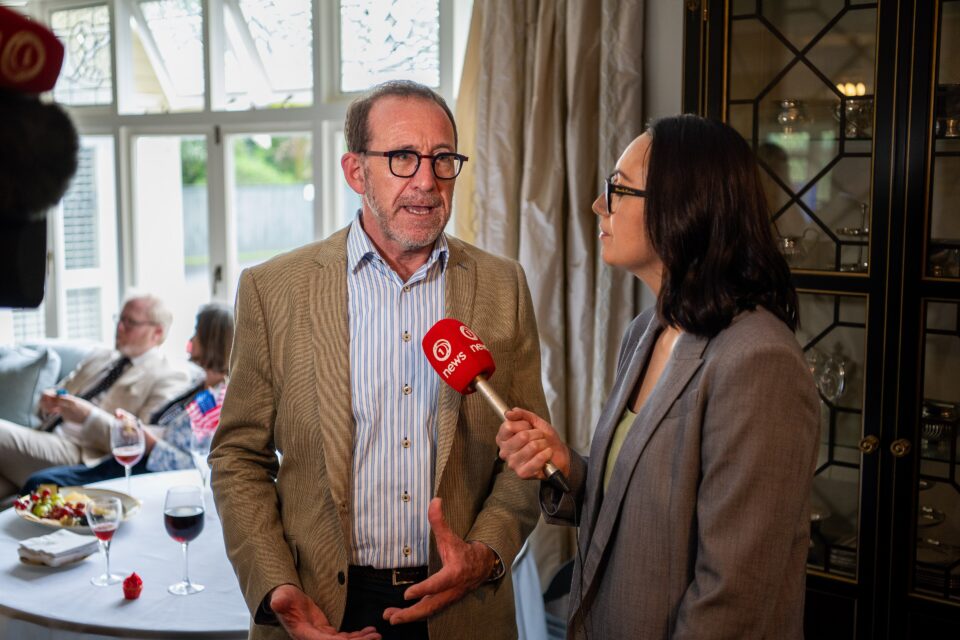

Image: Wellington Mayor Andrew Little. (Source: US Embassy)
By Natasha Jojoa Burling
A costly process
Wellington City Council says the Head Start failure was a “costly misstep” for the city and shows the Government wasn’t serious.
Local Government Minister Simon Watts announced on 24 September the Government will take extra time before deciding which reform proposals should progress. He says after considering the 18 proposals, more work is required before Cabinet can make final decisions early next year.
Mayor Andrew Little says councils in the region put forward strong proposals that would’ve worked, while spending nearly $250,000 to reach the 9 August deadline.
He says when councils are doing everything to keep costs under control and are facing a rates cap, spending that much on a process that goes nowhere is unacceptable.
Andrew says councils across the country were given a “totally unreasonable” deadline to propose a local amalgamation model.
“We met all of the government’s requirements to get a proposal in before the deadline.
“The only party that has not thought through their policy is central government themselves.”
Left in limbo
Kāpiti Coast District Mayor Janet Holborow says the decision to defer amalgamation decisions is frustrating because councils and communities engaged in the Head Start pathway in good faith, within tight timeframes.
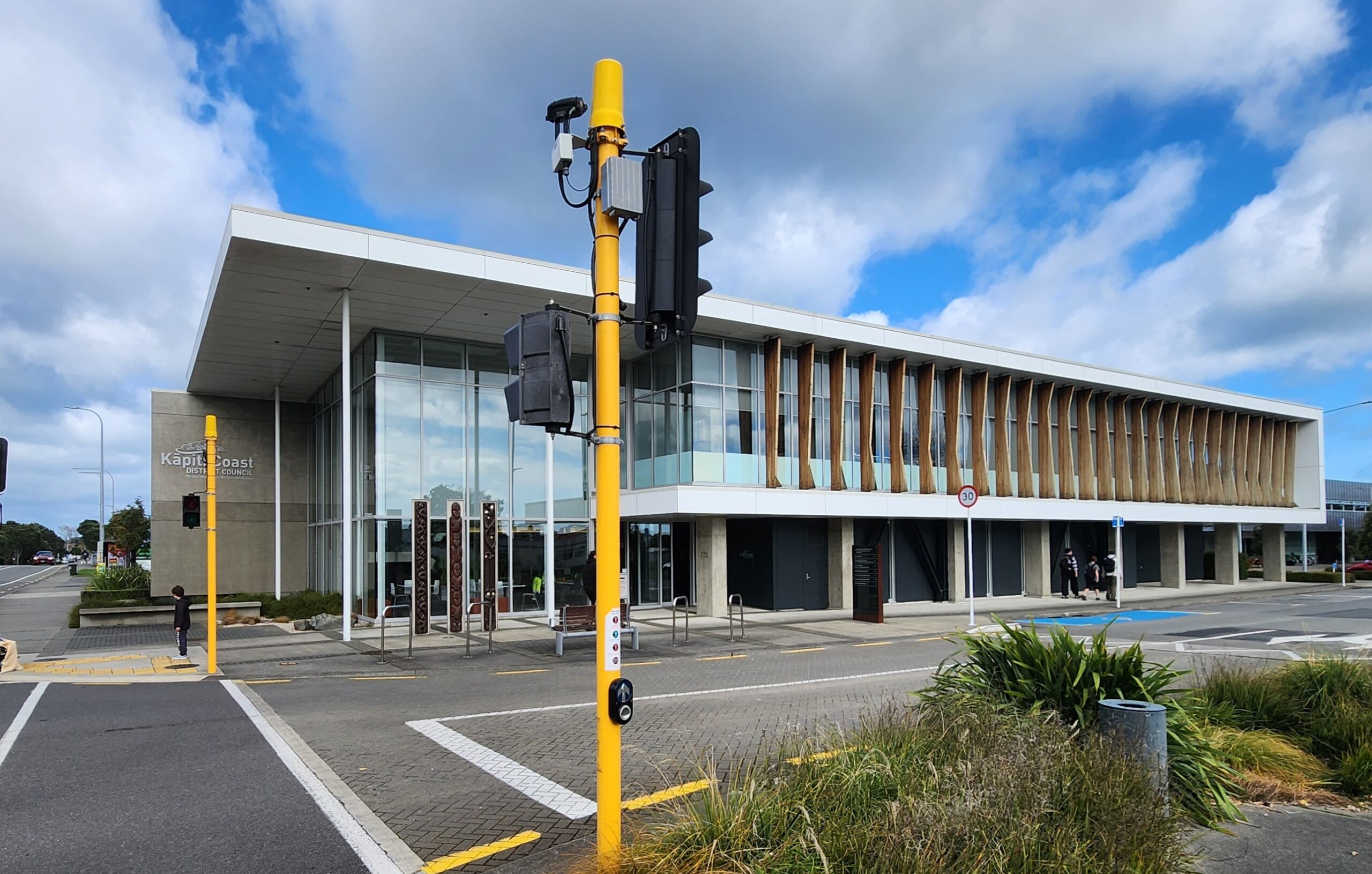
“While we didn’t want to be part of the Wellington region’s proposal, the lack of certainty puts us in a difficult position,” she says.
“We are now left in limbo at a time when we’re already grappling with the transition to the new planning and environmental management systems, a raft of legislative changes pushed through under urgency in recent weeks, and increasing community expectations to cut costs.”
Janet says the time and resources councils have invested to date mustn’t be wasted.
“Any change must be locally led and protect the things our communities value.”
Vindicated
Hamilton City Council says the delay confirms everything the Council has been saying throughout this process.
“The timeframe was too short, and a much more considered process needs to be followed,” says Mayor Tim Macindoe.
“If reform is to succeed, it must be built on robust evidence, genuine partnership and a clear understanding that metropolitan New Zealand faces different challenges from provincial and rural communities.”
Frustrated
Waipā District Mayor Mike Pettit says councils have every right to be frustrated after being pushed to deliver proposals at speed, only for the Government to pause the process.
“Being given three months to come up with a Head Start proposal or have the decision made for us, was a carrot or a stick ultimatum, and that makes this announcement hard to swallow,” he says.
“Councils have put a huge amount of work into developing these proposals in a very short timeframe and that has come at a cost to our ratepayers.”
Mike says that work has value, but councils need certainty about what happens next.
“Councils and communities should have confidence that if further work is required, there is a clear process and a clear purpose for that work and the government will actually make a decision.”
Affordability and representation
Taupō District Mayor John Funnell says the Head Start delay reaffirmed the Council’s decision to ask central government for more time to consider amalgamation.
“Through the Head Start process, we heard loud and clear that the two big issues for our district are affordability and representation. This delay allows us all the opportunity to get that right.”
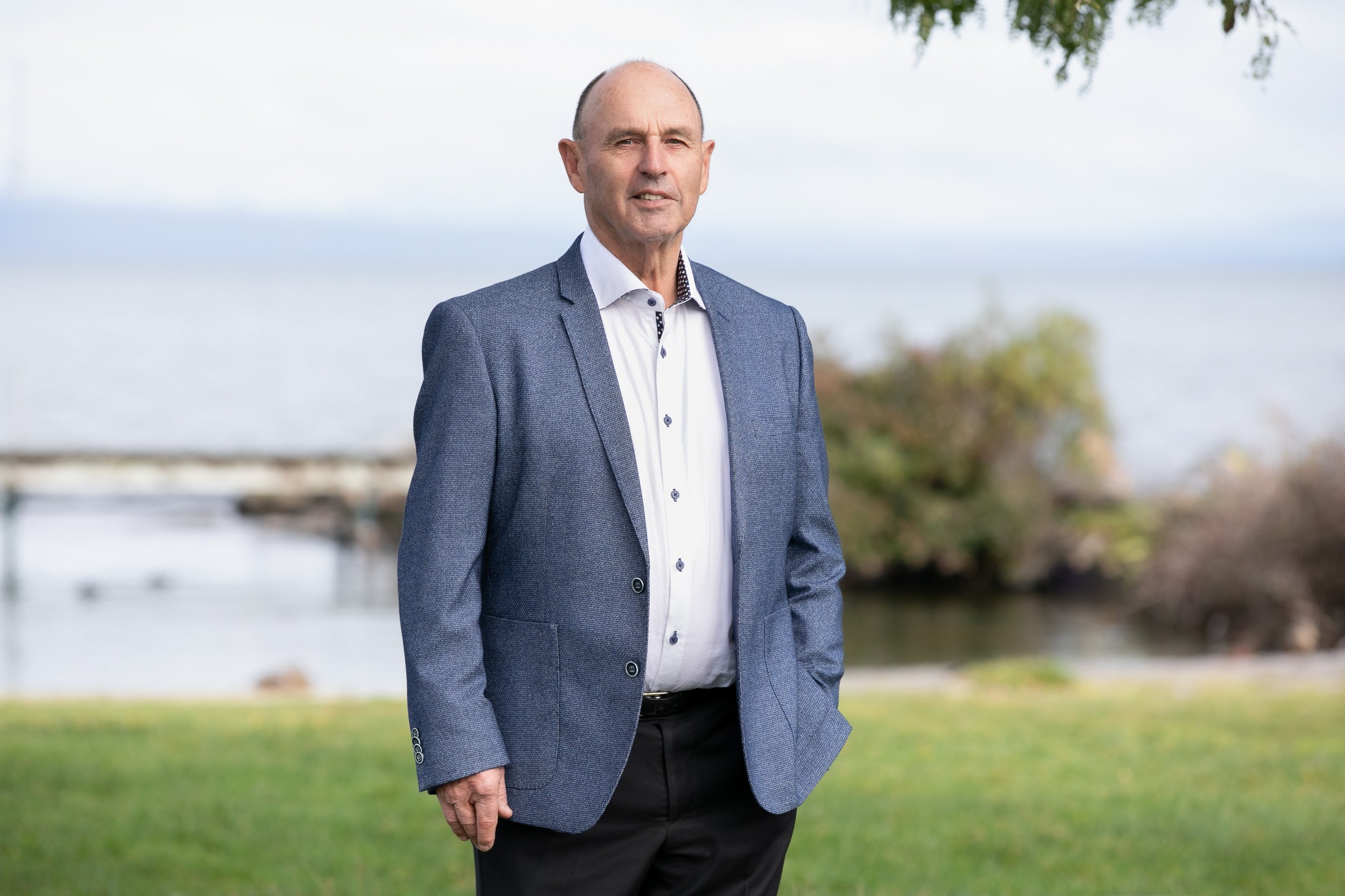
John says the three months the Council spent working on the process delayed other essential projects. The pause will allow it to get back to day-to-day business, including drawing up its next Long-term Plan and understanding new legislation.
Time to get it right
Tararua District Mayor Scott Gilmore says the Government’s decision to take more time to consider proposals under the Head Start process recognises reform of local government is too important to be rushed.
The Council unanimously decided not to submit a proposal, which Scott says avoided significant expenditure on developing a rushed proposal, although the process has still come at a cost.
“We have lost time and we won’t get that back and the uncertainty has also caused, and is still causing angst in our communities.
The Council remains committed to reform and hopes the next stage provides a genuine opportunity to develop better solutions.
“There are real opportunities to do things differently, improve efficiency while protecting the local voice that matters to our communities, and we will continue to work with our neighbours to explore opportunities to share services and simplify local government,” he says.
“This is too important to get wrong. Now is the time for a considered approach that councils can get behind and communities can support.”
Uncertainty extended
Western Bay of Plenty Mayor James Denyer says the Government’s decision to delay decisions on Head Start proposals has created an extended period of uncertainty for communities, councils and the future of local government.
“What we were hoping for was clarity,” he says.
“Instead, communities and councils have been left in limbo about what comes next.
“We have major decisions to make about the future of services, infrastructure and local government in our region, and greater certainty from Government would help councils plan with confidence.”

In August, WBoP District Council voted not to submit a Head Start proposal, but was later included in a wider Bay of Plenty proposal submitted by Tauranga City Council and Rotorua Lakes Council.
More uncertainty
Western Bay of Plenty Mayor James Denyer says the Head Start delay has created an extended period of uncertainty for communities, councils and the future of local government.
“What we were hoping for was clarity,” he says.
“Instead, communities and councils have been left in limbo about what comes next.”
The Government says governance structures, representation arrangements and regional functions need further work before decisions are made.
James says these are largely the same issues councils have been discussing and making progress on throughout the process.
“What Council is seeking now is greater clarity around how those issues will be worked through, what solutions are being considered, and who will ultimately be making those decisions.”
In August, Western BoP District Council voted not to submit a Head Start proposal, but the District was later included in a wider Bay of Plenty proposal submitted by Tauranga City Council and Rotorua Lakes Council.
Reform too important to rush
Whangārei Mayor Ken Couper understands why the Government’s taking the time to ensure a long-lasting solution for Northland.
“Local government reform of this level is complex, and we welcome the Government’s efforts to ensure we reach a sustainable solution that is embedded with strong regional collaboration.”
Kaipara District Council Mayor Jonathan Larsen says the pause will allow more time to consider the implications of reform and make sure communities like Kaipara have a meaningful voice in shaping any future changes.
“Local government reform is too important to rush.”
Northland Regional Council, Chair Pita Tipene says the work done by councils so far has helped clarify the challenges and opportunities that need to be addressed as major reforms are advanced.
“Our collective efforts to date have not been in vain.”
Far North District Mayor Moko Tepania is proud of the collaboration shown by Northland councils despite an incredibly tight timeframe.
“While we do not have the clarity we may have hoped for, I’m grateful that council staff can now focus on completing other major workstreams… ”
Can’t kick issue down the road
Greater Wellington Chair Daran Ponter says the next Government needs to approach local government reform with greater ambition, greater clarity and greater bravery than we have seen to date.
“New Zealand cannot continue kicking this issue down the road,” says Daran.
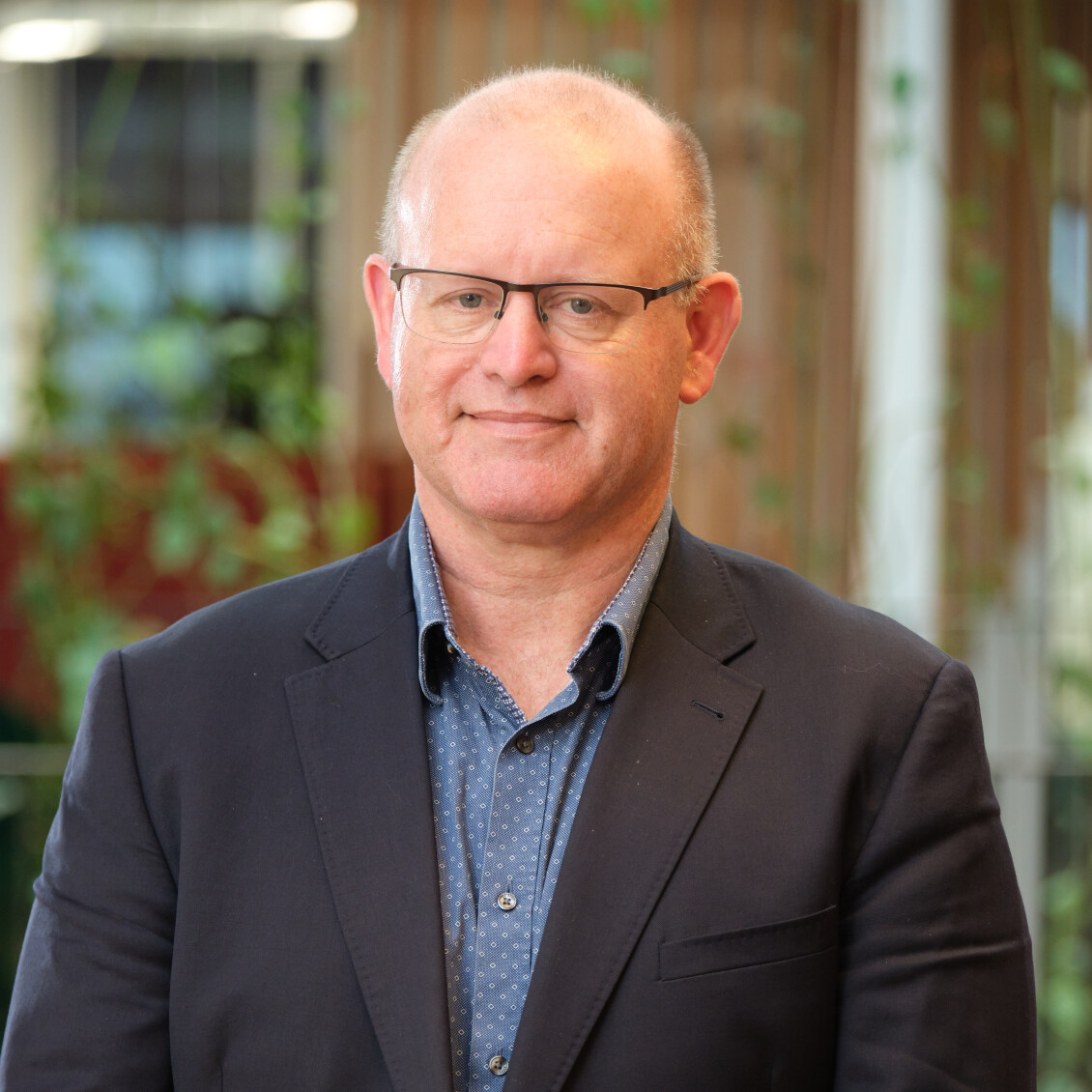
“Greater Wellington will use the Government’s delay to reconsider how regional councils’ roles can be enhanced to deliver issues at scale for their respective regions and we will continue to work with other councils and our Mana Whenua partners to continue momentum on reform.”