
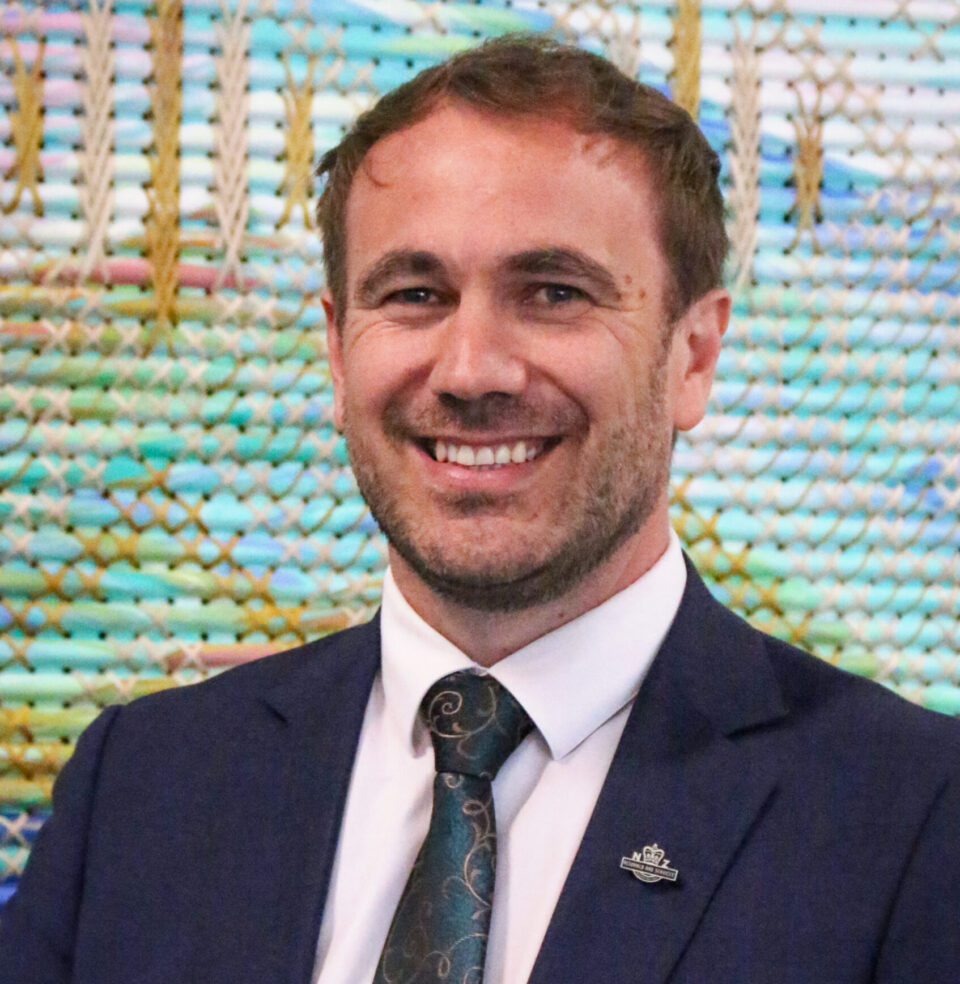

By Dr Deon Swiggs Chair, Environment Canterbury & LGNZ Regional Sector.
Regional governance is the capability to plan, fund, and deliver decisions and services that work at the scale of the region, across council boundaries, with clear accountability for results.
The Government wants fundamental change to how regions are governed. Their Simplifying Local Government draft proposal eliminates regional councillors and replaces them with boards of mayors.
The Government says this will cut duplication and make things clearer for ratepayers. But there’s a bigger question the proposal doesn’t address: When regions face challenges that cross district boundaries, who coordinates the response?
Sea levels rising along Canterbury’s entire coastline. Alpine water sources becoming more variable with climate change. Housing markets spanning multiple districts. Tourism pressure overwhelming small communities while benefits flow regionally.
These challenges don’t respect district boundaries. They need regional coordination. But the Government’s proposal doesn’t strengthen regional coordination – it eliminates what limited capability we have, right when regional challenges are becoming more complex and urgent.
As Chair of Canterbury Regional Council (Environment Canterbury) and the LGNZ regional sector, I support reform that improves outcomes for communities. The question is what kind of reform – reform that builds capability for regional challenges, or reform that eliminates regional governance because it’s easier than fixing the challenges.
Before we make irreversible changes, we should ask: what are we trying to achieve, and does this proposal actually achieve it?
The challenges nobody’s addressing
Consider what’s actually happening in regions across New Zealand: Climate adaptation spans multiple districts.
Canterbury, Kaikoura, Hurunui, Christchurch, Selwyn, Ashburton, and Timaru all face coastal hazard risks. Each is doing separate risk assessments and trying to fund adaptation from their own budgets. Sea level rise doesn’t stop at district borders, but coordination is voluntary and fragmented.
Housing markets don’t respect district boundaries. Greater Christchurch is one housing market across three districts. Growth pushes south from Christchurch into Selwyn, north from Selwyn toward Christchurch, and south from Waimakariri toward Christchurch.
Without coordinated infrastructure planning and funding, the result is inefficient urban sprawl – housing developments requiring longer commutes, more infrastructure per household, and conversion of productive rural land. This pattern repeats in regions across our country.
Water systems flow through multiple districts. Canterbury’s braided rivers cross district boundaries. Alpine water sources could support sustainable regional development with coordinated infrastructure, but no single district is large enough to fund regional-scale water storage and distribution.
Economic impacts don’t match governance boundaries. Tourism pressure in Mackenzie Basin affects a district of 5000 people, but visitors travel through and benefit the entire region. Who coordinates regional tourism strategy when impacts and benefits fall in different places?
These aren’t unique Canterbury problems. Every region faces challenges crossing district boundaries but lacking clear coordination mechanisms.
Questions for consultation: What mechanisms should exist for coordinating regional challenges that cross district boundaries?
Does the Government’s proposal strengthen or weaken this coordination capability?
What the proposal actually changes
The Government proposes eliminating regional councillors and replacing them with boards of local mayors. These mayors would continue running their districts full-time while also governing regionally.
Consider the workload implications. The Christchurch mayor runs our second-largest city – already a demanding full-time role.
Under this proposal, add governing the entire Canterbury region. The Mackenzie mayor runs a district of 5000 people – in the proposal, they’d also govern alongside Christchurch on regional decisions affecting nearly 700,000 people.
This happens while mayors simultaneously develop regional reorganisation plans and implement major RMA reforms (Regional Spatial Plans, Natural Environment Plans, ecosystem health limits).
The proposal acknowledges this workload problem on page 13: “City and district councillors will be able to be appointed to committees by their mayor, as a delegate. This will help split the workload between the mayor and other councillors.”
I want to be clear, city and district councils are essential. They deliver the services people touch every day. Strong regional governance should support strong local government, not replace it.
Questions for consultation: What happens to regional governance capability during this transition?
If mayors delegate some regional work toward councillors to manage the workload, does that suggest the governance model is workable?
How do ward councillors, elected on local issues by small populations, suddenly gain expertise for complex regional environmental decisions?
What regional councils currently handle
It helps to know what important functions regional councils are currently mandated to do.
Environmental regulation (water quality, air quality, pest control, coastal management).
Flood protection and river management.
Regional public transport.
Civil defence and emergency management coordination.
Maritime and navigational safety.
Resource consent processing for regional environmental matters.
Biodiversity planning and regional biosecurity.
This is critical environmental and emergency work. But there is a gap. Beyond these statutory functions, there is a set of region-wide tasks that still need to be coordinated. Currently, no agency is clearly responsible for them – which means no one is clearly accountable. These include:
Regional economic development strategy
Housing growth across district boundaries
Regional infrastructure investment
Regional tourism impacts and opportunities
Social services needing regional scale
Workforce development matching regional economic needs
Some of this work happens inconsistently through individual districts acting alone. Some falls into gaps between local and central government and simply doesn’t happen at all.
In my view, the region needs stronger governance capability to take responsibility for these broader functions – with clarity of mandate and accountability for results.
The weakening of regional voice
If the work is becoming broader and longer-term, the question is whether the proposal will increase or reduce the region’s ability to govern well. Under current arrangements, Canterbury has: 14 elected regional councillors whose job is regional environmental governance; two Ngai Tahu representatives under Treaty legislation; and a total of 16 people with regional mandate and democratic accountability.
Under the proposal, Canterbury would have: 10 mayors elected primarily for district responsibilities; and /or Crown Commissioners (not elected); plus potential ministerial appointees; and none elected specifically for regional work.
The proposal represents a weakening of regional democratic voice – fewer people are making regional decisions, and none of the city and district Mayors are currently elected with an explicit regional mandate.
At the same time, regional challenges (climate adaptation, water allocation, cross-boundary growth) are becoming more complex and urgent.
What’s missing from this conversation
The proposal focuses on eliminating a governance layer to save costs. It doesn’t ask what regional governance should achieve or how to build capability for long-term regional challenges and what community voice looks like.
Climate adaptation requires 50-year planning horizons and coordination across multiple districts. Managed retreat from coastal hazards needs regional cost-sharing – individual districts can’t afford it alone.
Infrastructure investment crosses boundaries. Regional water storage, regional transport corridors, regional waste management – all need coordination and funding beyond individual district capacity.
Economic development competes regionally. Regions compete nationally and internationally. Districts competing with each other within regions weakens collective regional competitiveness.
The Government’s proposal doesn’t address any of this. It reorganises governance structure without asking what that governance needs to deliver.
Questions for consultation: Before restructuring regional governance, shouldn’t we first define what we need regional governance to achieve?
Shouldn’t the structure follow from the function, not the other way around?
What good reform could look like
If the goal is genuinely improving regional outcomes, reform could clarify what needs regional coordination versus what should stay local.
Districts do essential work delivering local services. They need autonomy for genuinely local decisions. But regional challenges need regional capability – the question is what form that takes.
Build long-term institutional capability for challenges requiring decades-long planning horizons. Climate adaptation, infrastructure investment, environmental limits – these need stability and expertise, not temporary transitional structures focused on reorganisation.
Strengthen coordination mechanisms between regional and local governance without eliminating either. Both levels matter for different functions. The question is how they work together effectively.
Ensure democratic accountability for regional decisions. Whether through elected regional representatives, enhanced mayoral collaboration with clear accountability, or other mechanisms – regions need democratic voice for regional choices.
Address actual coordination gaps – housing growth, infrastructure investment, economic development, climate adaptation – not just reorganising existing environmental regulatory functions.
The proposal could have asked: What regional challenges need stronger coordination, and how do we build that capability? Instead, it asks: how do we eliminate regional councillors?
Those are different questions leading to different answers. This isn’t about defending current arrangements.
Regional councils have real limitations: too narrow in scope for many modern- age regional coordination needs; unclear accountability in some cases; low public engagement (41 per cent voter turnout suggests problems); and remote from communities in large rural constituencies. These need addressing.
But the question is whether eliminating regional democratic representation while adding impossible workloads to mayors actually addresses these limitations, or whether it creates new problems while leaving the old ones unsolved.
The consultation should be asking:
What do we need regional governance to achieve?
What coordination mechanisms work for challenges crossing boundaries?
How do we build capability for 50-year challenges like climate adaptation?
How do we ensure democratic accountability for regional decisions?
What’s the evidence that this specific proposal improves outcomes compared to alternatives?
Voice your choice
This proposal eliminates the limited regional governance capability we have, fragments regional coordination across busy mayors focused on district responsibilities, and hopes coordination happens voluntarily when district interests align.
The alternative is strengthening regional coordination capability to match the challenges regions actually face – whether through reformed regional councils, enhanced statutory collaboration requirements, regional infrastructure investment entities, or other mechanisms. A regional focus better prepares our regions for climate change, infrastructure challenges, and economic opportunities that don’t respect district boundaries.
Regional governance needs reform. However, we should not dismantle regional democracy and capacity until the Government can show, with evidence, what replaces it and how it will work better.
You can have your say:
https://consultations.digital.govt.nz/simplifying-local-government/proposal – until February 20.
The views in this article are the personal opinion of Dr Swiggs. Diagrams from Environment Canterbury.