
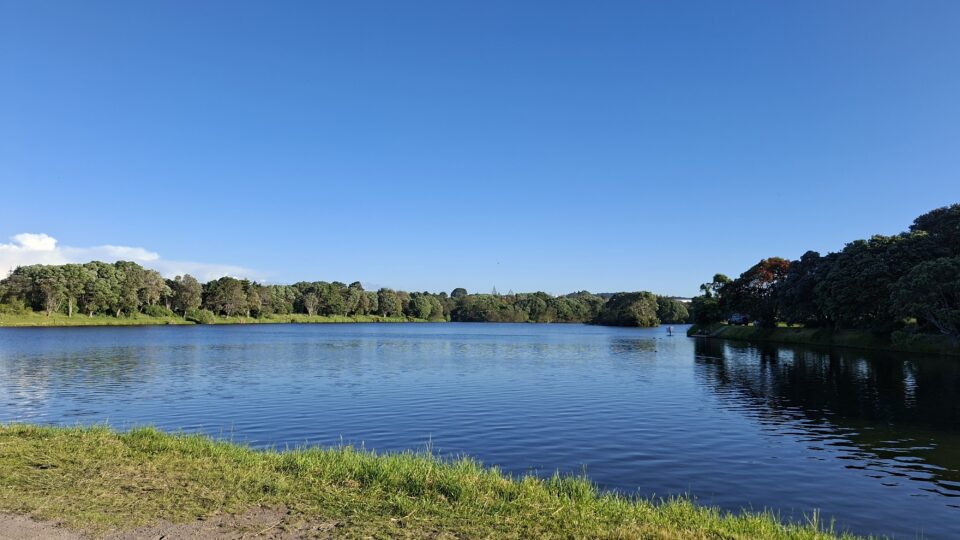

Lake Rotomanu near New Plymouth is being drained over four days to get rid of the invasive fresh-water clam Corbicula fluminea.
The clam was found in the lake in November during a Fish and Game trout fishing event and was its first discovery outside the Waikato River. The lake was immediately closed to motorised water craft.
Within a month, the clam had become so prolific the lake needed to be emptied to allow biologists to get a full picture of the extent of the infestation. Draining is through the lake’s outlet, opened for four days. The lake’s fish population will end up as harvest for local consumption.
Taranaki Regional Council Environment Services Manager, Steve Ellis, said before starting to drain the lake they made sure the clams could not spread to the Waiwhakaiho River by testing the salinity and flow of the river, and he was confident any clams or larvae would be quickly washed the short distance out to sea.
Once emptied, a team from Earth Sciences NZ will carry out a detailed survey of the lakebed to determine how widespread the clams are, how deep they have burrowed, and will estimate the age of the clams. That information will help estimate whether an elimination attempt is feasible and what the treatment options are, and how much they will cost.
Ellis said the financial cost of elimination was likely to be significant and at this point it is unclear how it would be funded and by whom.
“To be clear, there is no guarantee we will attempt to treat or eliminate the clams, even if it is technically feasible.
“We all want the best for the region and we’re all aware of the massive economic damage these clams can do, so we’re having those conversations as a matter of urgency.”
The small, man-made lake was created by damming the Rotomanu stream for irrigation and recreation near New Plymouth by the local council.
The lake has become popular for water sports like skiing, kayaking, and boating. It’s path provides an easy loop walk or a bike ride with a great view of the Taranaki Mountain on a clear day. Its water is replenished occasionally from the Waiwhakaiho River and from naturally cleaned water from the nearby Peringa Park wetlands, and many waterfowl have chosen the lake as their habitat.
The lake will stay empty for the summer, which Ellis said was not a decision made lightly.
“We know it’s a popular summer spot and that locals and visitors will be disappointed, but we hope they understand the reasons for it.
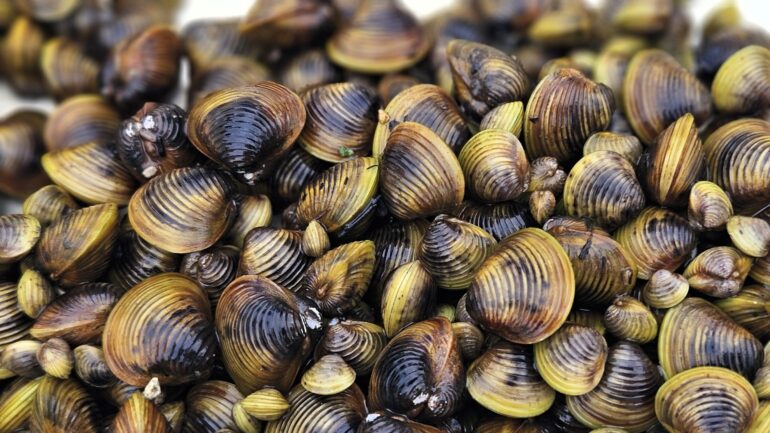
“The invasive clam Corbicula is a massive threat to our infrastructure, economy, ecosystems and recreational use of all the region’s waterways, so we need to act now to give ourselves the best chance of preventing long-term damage or recreational restrictions.”
Testing at Lakes Rotokare, Ratapiko, Rotorangi and the Waiwhakaiho River have not found any clams, while eDNA testing of the water has also been clear. While encouraging, that does not mean they are not present, says the Taranaki Regional Council.
A washdown trailer courtesy of Biosecurity New Zealand will be set up at popular lakes over the summer. Two dedicated Check, Clean, Dry ambassadors will also be on site to spread the message to lake recreational users, supported by new signage, and direct education with clubs and organisations.
Clam survey complete
A survey of the Lake Rotomanu gold clam infestation had been completed by December 18, with a decision on whether to attempt to eliminate the clams expected early in 2026.
The initial survey indicated that the gold clams appeared to be confined to the boat-ramp end of the lake. Getting totally rid of the clams in terms of ‘how’ and at what cost remains a challenge, with a decision to be made early in the new year.
The survey was conducted while the lake was not fully emptied, and without a full-scale fish harvest. However, about 600 eels were removed and frozen to kill any trace of the clam.
The lake will remain lowered for the summer and will only be emptied, and the rest of the fish “depopulated” if the Council attempts to eliminate the claim.